




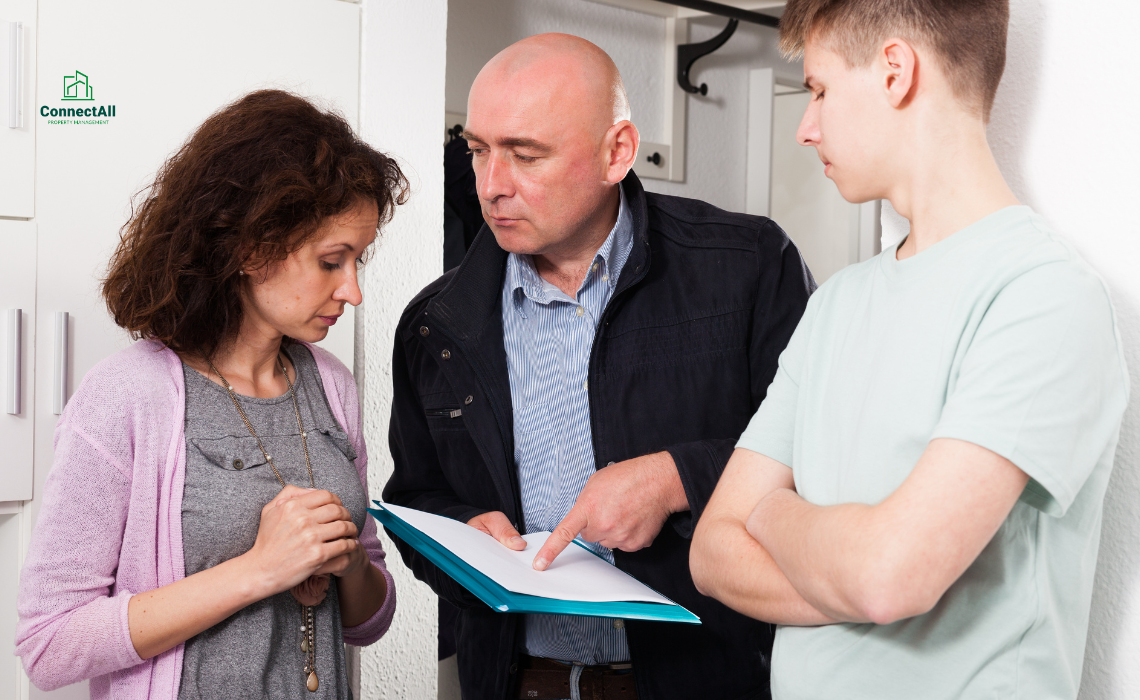
Managing rental properties inevitably involves maintenance requests—but when a tenant repeatedly complains about repairs, it can quickly become overwhelming. The key is not to ignore the issue, but to approach it strategically, legally, and professionally.
This guide outlines how landlords can effectively manage frequent repair complaints while protecting their property, finances, and tenant relationships.
Understanding the Root of Tenant Complaints
Not all complaints are equal. Some tenants report legitimate maintenance concerns, while others may be overly sensitive or unclear about responsibilities.
According to industry guidance from:
- Zillow Rental Manager: https://www.zillow.com/rental-manager/resources/maintenance-requests/
- Redfin: https://www.redfin.com/blog/landlord-responsibilities/
Most repair disputes fall into three categories:
- Urgent repairs: plumbing leaks, heating failures, electrical hazards
- Routine maintenance: minor wear and tear issues
- Non-essential complaints: cosmetic or preference-based concerns
Understanding this distinction is critical before taking action.
Step 1: Respond Promptly—but Set Boundaries
Timely communication builds trust and protects you legally. Even if a complaint seems minor, acknowledge it quickly.
However, it’s equally important to set expectations:
- Define response times (e.g., 24–48 hours for non-urgent issues)
- Clarify what qualifies as an emergency
- Avoid reacting emotionally to repeated complaints
For more on structured management practices, see:
https://connectallpm.com/how-to-manage-rental-properties-boston/
Step 2: Document Everything
Documentation is your strongest protection against disputes.
Keep records of:
- Maintenance requests (date, issue, urgency)
- Communication with tenants
- Repair invoices and contractor reports
This is especially important if complaints escalate into legal disputes or claims of negligence.
Learn more about inspection and documentation best practices:
https://connectallpm.com/how-to-conduct-move-in-move-out-inspections/
Step 3: Clearly Define Maintenance Responsibilities
Many recurring complaints stem from unclear lease agreements.
Ensure your lease specifies:
- Tenant responsibilities (e.g., light bulbs, minor upkeep)
- Landlord responsibilities (structural, safety-related repairs)
- Reporting procedures
If your lease lacks clarity, consider strengthening your lease management process:
https://connectallpm.com/the-importance-of-lease-management/
Step 4: Inspect the Property Regularly
Frequent complaints may signal deeper issues—or misuse of the property.
Schedule periodic inspections to:
- Identify recurring problems early
- Verify tenant claims
- Prevent small issues from becoming costly repairs
Proactive maintenance reduces long-term expenses and tenant frustration.
Step 5: Differentiate Between Valid and Excessive Complaints
Some tenants may consistently report minor or unnecessary issues.
Ask yourself:
- Is the issue affecting habitability or safety?
- Is it normal wear and tear?
- Is the tenant expecting upgrades rather than repairs?
If complaints are excessive, calmly reinforce lease terms and expectations.
Step 6: Use Professional Property Management (If Needed)
If tenant communication becomes difficult or time-consuming, professional management can help streamline operations.
Property managers can:
- Handle maintenance requests efficiently
- Vet and coordinate contractors
- Serve as a neutral third party
Explore your options here:
https://connectallpm.com/property-management-company-near-me/
Or learn how to maximize ROI with expert support:
https://connectallpm.com/top-rated-rental-property-management-services-for-maximizing-roi/
Step 7: Address Chronic Issues Strategically
If a tenant continues to complain excessively despite clear communication:
- Reiterate lease terms in writing
- Set formal communication channels (email or portal only)
- Consider non-renewal at lease end if behavior persists
Handling the situation professionally avoids escalation and protects your reputation.
Preventative Strategies to Reduce Complaints
The best way to manage complaints is to reduce them proactively:
- Conduct thorough tenant screening:
https://connectallpm.com/screen-tenants-boston-landlord-guide/ - Maintain the property regularly:
https://connectallpm.com/how-to-maintain-rental-properties-tips-for-boston-landlords/ - Offer easy rent and communication systems:
https://connectallpm.com/the-ultimate-guide-to-online-rent-payment-services-in-boston/ - Address small issues before they escalate
Expert Insight
Frequent repair complaints are not always a problem—they can indicate that tenants are engaged and attentive. However, without proper systems in place, they can quickly become costly and time-consuming.
Professional landlords treat maintenance as a structured process, not a reactive task.
FAQs
1. What should I do if my tenant complains about every small issue?
Set clear boundaries and refer to the lease. Not all issues require immediate action, especially cosmetic concerns.
2. Am I legally required to fix everything a tenant reports?
No. Landlords are typically required to address issues affecting habitability and safety—not minor inconveniences.
3. How fast should I respond to repair requests?
Emergency issues should be addressed immediately. Non-urgent repairs should be handled within 24–72 hours.
4. Can I charge tenants for unnecessary repair requests?
In some cases, yes—especially if the issue is due to tenant misuse or negligence. This should be outlined in the lease.
5. When should I consider not renewing a tenant’s lease?
If complaints are excessive, unreasonable, and disruptive despite clear communication, non-renewal may be the best option.
Final Thoughts
Handling frequent tenant complaints is part of being a landlord—but it doesn’t have to be stressful. With clear systems, strong lease agreements, and proactive maintenance, you can turn a reactive situation into a controlled, professional process.