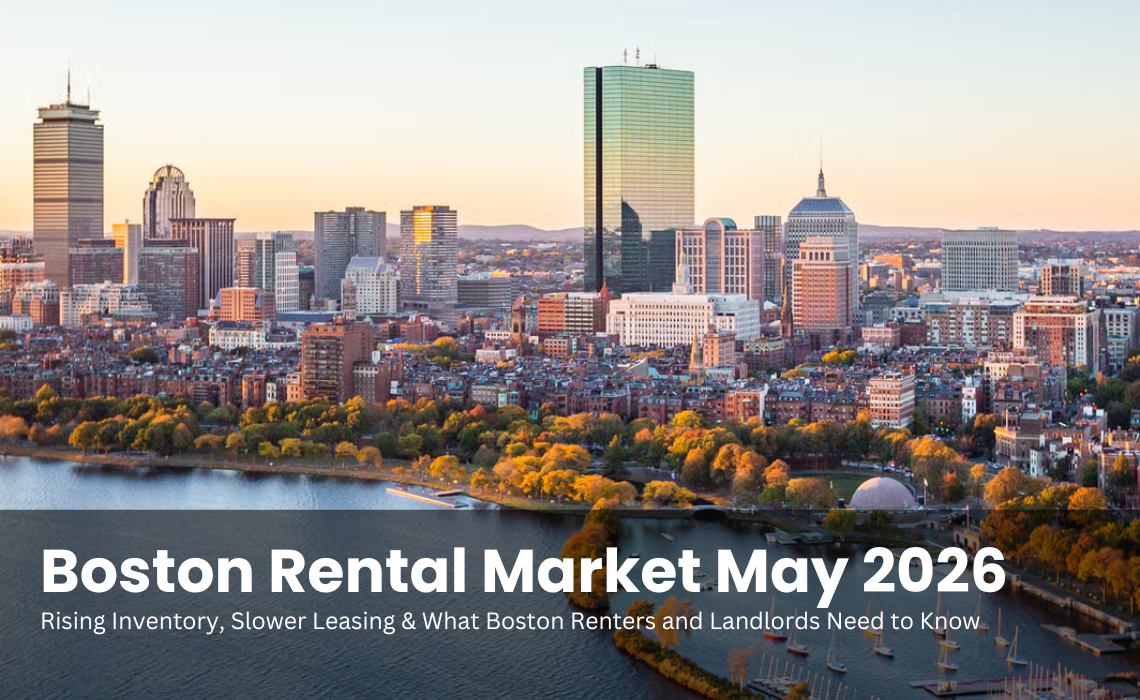

The Seattle rental market continued to stabilize in May 2026 as renters gained more negotiating power and landlords adjusted to changing market conditions. After several years of aggressive rent growth, Seattle is now experiencing a more balanced environment driven by increased apartment inventory, moderating demand, and affordability pressures.
For landlords, investors, and renters alike, understanding the latest rental trends is essential for making informed decisions in Seattle’s evolving housing market.
If you missed last month’s report, read our previous update here:
Seattle Rental Market April 2026
For property management services, rental market insights, and investment guidance, visit our homepage:
Seattle Rental Market Snapshot – May 2026
Seattle remains one of the most competitive rental markets in the Pacific Northwest, though conditions have become significantly more balanced compared to previous years.
Key Seattle Rental Market Statistics
- Average Seattle rent: Approximately $2,090 per month
- Average one-bedroom rent: Around $2,080 per month
- Average two-bedroom rent: Around $2,790 per month
- Vacancy rate estimate: Between 5% and 7%
- Rent growth trend: Flat to modest increases year-over-year
According to data from Apartments.com, Seattle rents remain substantially above the national average despite slower growth.
Additional rental market data and affordability trends have also been reported by Realtor.com.
Seattle Rent Prices Continue to Normalize
One of the biggest trends shaping the Seattle rental market in 2026 is normalization.
During the post-pandemic housing surge, Seattle experienced historically low vacancy rates and rapid rent increases fueled by tech-sector hiring and limited housing inventory. In 2026, however, rental price growth has slowed considerably.
Many Seattle neighborhoods are now seeing:
- Stable rental pricing
- Increased leasing concessions
- Longer vacancy periods
- More renter negotiation opportunities
While rents remain high overall, the pace of increases has cooled significantly compared to 2021 through 2024.
This shift is largely tied to increased multifamily construction across Seattle and neighboring cities.
Increased Apartment Supply Is Changing the Market
Seattle developers delivered a large number of apartment units throughout 2024 and 2025, adding much-needed inventory to the market.
This construction boom has helped ease some of the pressure renters previously faced.
Areas seeing significant new inventory include:
- South Lake Union
- Capitol Hill
- Ballard
- Bellevue
- Northgate
- Lynnwood
With more housing options available, renters now have greater flexibility when choosing properties.
However, industry analysts expect new development activity to slow later in 2026 due to rising construction costs, financing challenges, and tighter lending conditions.
Additional multifamily market insights from costar.com
Seattle Vacancy Rates Are Rising Slightly
Vacancy rates in Seattle have gradually increased from the extremely low levels seen during the peak rental boom.
Current vacancy levels between 5% and 7% indicate a healthier and more balanced market environment.
For landlords, this means:
- Pricing properties correctly is more important than ever
- High-quality marketing matters
- Tenant retention strategies are becoming increasingly valuable
- Property condition and amenities play a larger role in leasing success
Properties that are overpriced or poorly maintained are staying vacant longer than they would have several years ago.
Seattle Remains Expensive Compared to National Markets
Despite recent moderation, Seattle is still among the most expensive rental markets in the United States.
Several factors continue to support long-term rental demand:
Strong Employment Base
High Homeownership Costs
Elevated mortgage rates and home prices continue pushing many residents toward renting rather than buying.
Even high-income households are delaying homeownership decisions due to affordability concerns.
Population Growth and Migration
Seattle continues attracting professionals relocating from higher-cost markets such as California and New York, helping sustain long-term rental demand.
What Seattle Landlords Should Expect in 2026
Seattle landlords are operating in a more competitive environment than in recent years.
While rental demand remains healthy, tenants now have more options and are more price-sensitive.
Recommended Strategies for Property Owners
1. Price Rentals Competitively
Overpricing units can lead to extended vacancies and lost annual revenue.
2. Invest in Property Presentation
Professional photography, updated finishes, and strong online marketing can significantly improve leasing performance.
3. Focus on Tenant Retention
Retaining quality tenants may be more cost-effective than pursuing aggressive rent increases.
4. Monitor Seattle Rental Regulations
Seattle and Washington State housing policies continue evolving, making compliance critical for landlords and property managers.
For Washington housing policy updates: Commerce.gov
Seattle Rental Market Forecast for the Rest of 2026
Most industry forecasts suggest Seattle rents will remain relatively stable throughout the remainder of 2026.
Expected trends include:
- Modest rent growth
- Continued renter incentives in some submarkets
- Slower multifamily construction starts
- Gradual market tightening by late 2026 or early 2027
If housing supply slows while job growth remains steady, Seattle could see renewed upward pressure on rents in the coming years.
Final Thoughts
The Seattle rental market in May 2026 reflects a transition from rapid post-pandemic growth to a more sustainable and balanced environment.
Renters currently benefit from increased inventory and improved negotiating power, while landlords must focus more heavily on pricing strategy, property quality, and tenant retention.
Although rent growth has slowed, Seattle’s long-term housing fundamentals remain strong due to continued economic growth, high-income employment opportunities, and limited long-term housing supply.
For investors and property owners, staying informed about changing rental trends is essential for maximizing occupancy and long-term returns.
For expert Seattle property management services and local rental market guidance, visit: connectallpm.com
Frequently Asked Questions (FAQs)
Is Seattle a renter’s market in 2026?
Seattle is currently considered a more balanced rental market compared to previous years. Renters have more choices and negotiating power due to increased housing inventory and slightly higher vacancy rates.
Are Seattle rents going down in 2026?
Most Seattle rents are stabilizing rather than significantly declining. Some neighborhoods may experience small decreases or leasing concessions, but overall prices remain high compared to national averages.
Why are vacancy rates increasing in Seattle?
Vacancy rates have risen mainly because of increased apartment construction and a larger supply of available rental units entering the market.
Will Seattle rents increase again?
Rental prices could begin rising more aggressively again if new housing construction slows while employment and population growth continue.
Is Seattle still a good market for rental property investors?
Seattle continues to offer strong long-term investment potential due to its stable economy, strong job market, and ongoing housing demand. However, investors should expect a more competitive leasing environment in the short term.
What neighborhoods are seeing the most rental growth?
Areas with strong transit access, new development, and employment proximity — including South Lake Union, Bellevue, and Northgate — continue attracting strong renter demand.
How can landlords stay competitive in Seattle?
Landlords can stay competitive by pricing units correctly, maintaining properties well, offering modern amenities, and prioritizing positive tenant experiences.